In the vast tapestry of American culture, where traditions intertwine with the relentless march of progress, a unique relationship has emerged – the connection between cars and horses. It is a narrative that stretches across time, reflecting the evolution of transportation and the enduring allure of horsepower in its various forms.
From the dusty trails of the Wild West to the modern racetracks adorned with sleek automobiles, the synergy between cars and horses is a thread that weaves through the very fabric of American history. In the early days of westward expansion, horses were the engines that propelled pioneers and explorers across vast landscapes. The rhythmic beat of hooves echoed alongside the creaking wheels of covered wagons, forging pathways into the unknown.
As the industrial revolution dawned, the horse-drawn carriage gave way to the mechanical marvel of the automobile. The transition marked a paradigm shift in transportation, with the roar of engines replacing the clip-clop of hooves. Yet, even as cars dominated the roads, the spirit of horsepower persisted, albeit in a different guise. The term “horsepower” itself, coined by engineer James Watt, became a unit of measurement for the power output of engines, bridging the gap between the old and the new.
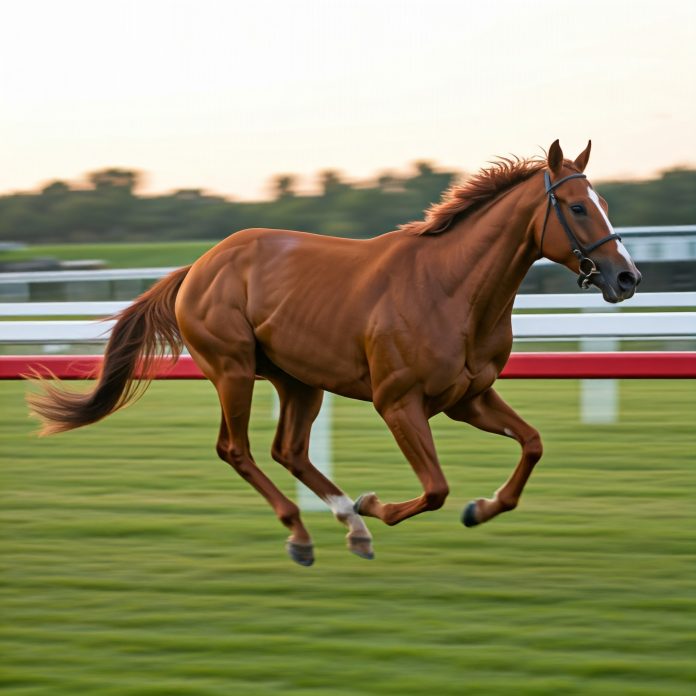
In the realm of horse racing, a sport that epitomizes the synergy between tradition and modernity, the connection between cars and horses takes center stage. The iconic pace car, adorned with corporate logos and sleek design, leads the field of thoroughbreds to the starting gate. The contrast between the raw power of engines and the primal energy of racing horses creates a visual spectacle that captivates spectators at tracks across the nation.
The juxtaposition of horsepower in its literal and metaphorical forms is perhaps most evident in events like the Kentucky Derby. The thundering hooves of thoroughbreds, their sinewy bodies surging towards the finish line, echo the spirit of equine athleticism. Meanwhile, the infield of the track becomes a canvas where spectators showcase their own horsepower – a sea of tailgating cars adorned with elaborate setups and vibrant decorations.
Beyond the racetrack, the relationship between cars and horses manifests in various cultural expressions. Carriage parades, reminiscent of a bygone era, roll through city streets, offering a nostalgic nod to the days when horsepower meant four-legged companions. Meanwhile, iconic road trips, a quintessential American experience, evoke a sense of freedom and adventure, echoing the spirit of pioneers traversing the open plains.
The connection between cars and horses also permeates popular culture. Classic films, from Westerns to racing dramas, showcase the enduring appeal of these powerful symbols. Car commercials, often featuring sleek vehicles galloping across picturesque landscapes, draw on the visual language of horse racing to convey speed, elegance, and the thrill of the open road.
In the world of luxury and prestige, the association between cars and horses takes on a refined aesthetic. The emblems of iconic automobile brands, adorned with equine motifs, pay homage to the elegance and strength of horses. The sleek curves of a sports car find common ground with the grace of a thoroughbred, creating a visual dialogue that transcends mere transportation.
As the sun sets on racetracks and city streets alike, the relationship between cars and horses endures, each representing a different chapter in the narrative of American mobility. The whirr of engines and the thundering hooves create a harmonious symphony that resonates through time, symbolizing the dynamic interplay between tradition and innovation.